
Make a tangible impact on Amazon conservation by joining us as a Citizen Science Volunteer. Over the course of an immersive 8-day expedition, you will assist our research team with vital wildlife surveys and engage directly with local communities. Led by Dr. Richard Bodmer and our expert science staff, these small-group expeditions of 8 to 12 volunteers offer a unique, hands-on opportunity to experience tropical biodiversity while actively contributing to the preservation of the rainforest.
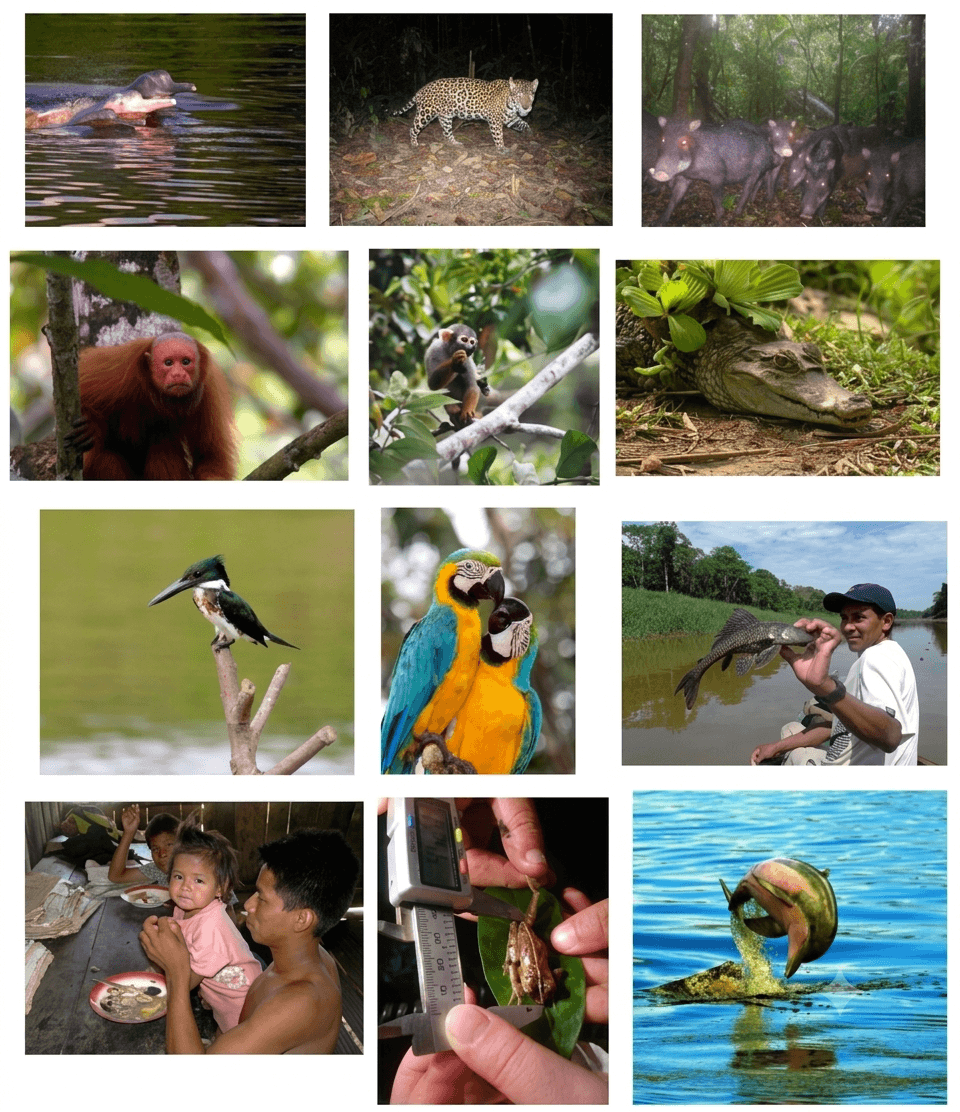
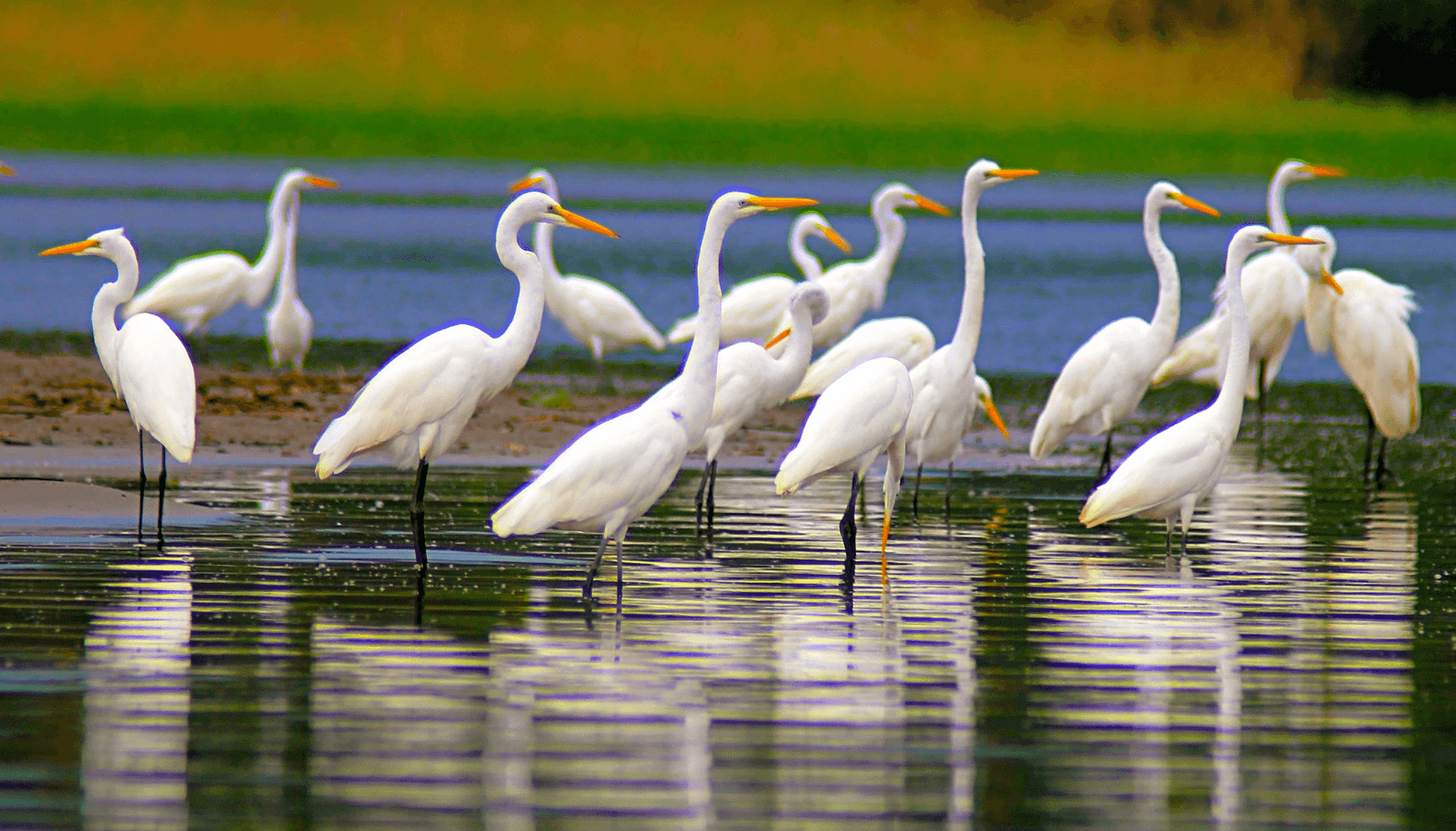
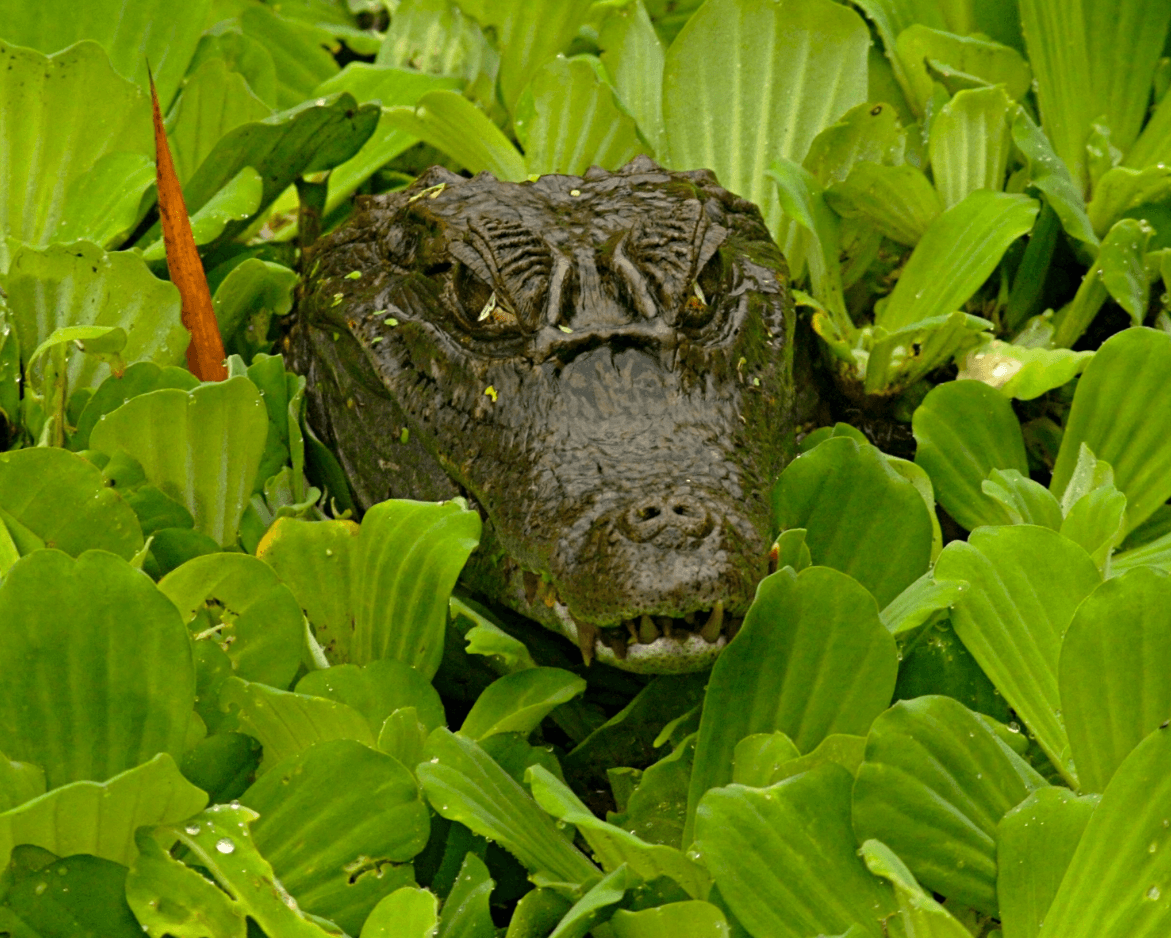
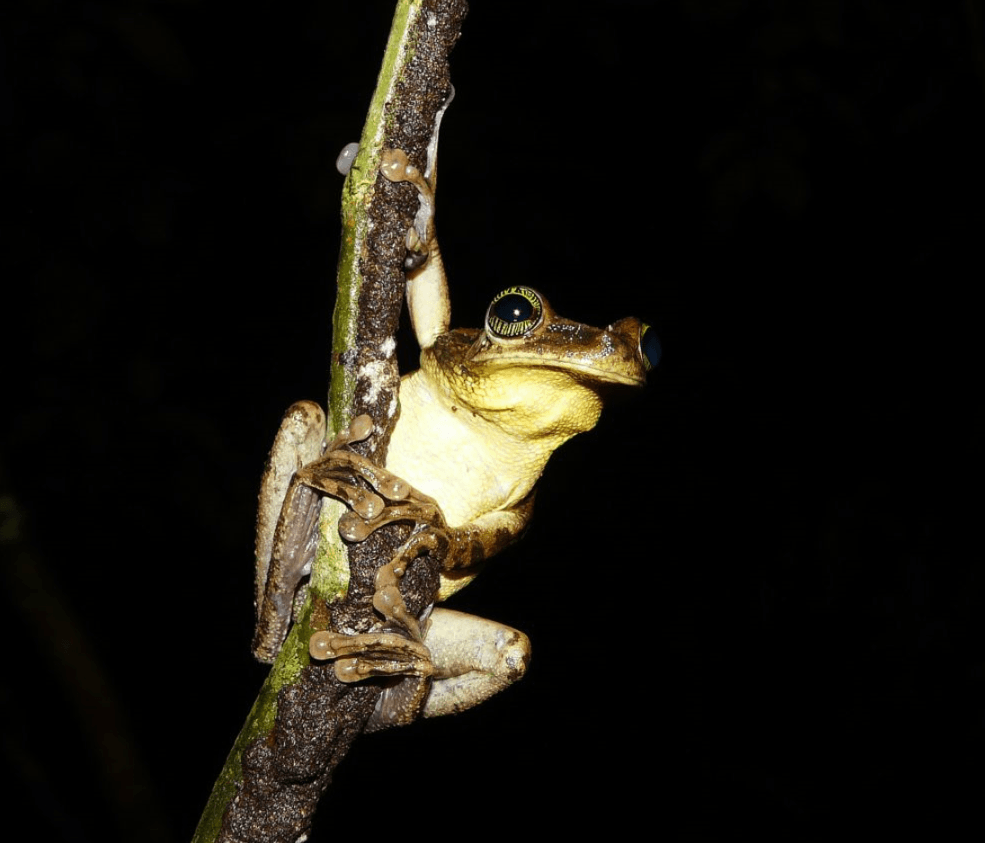
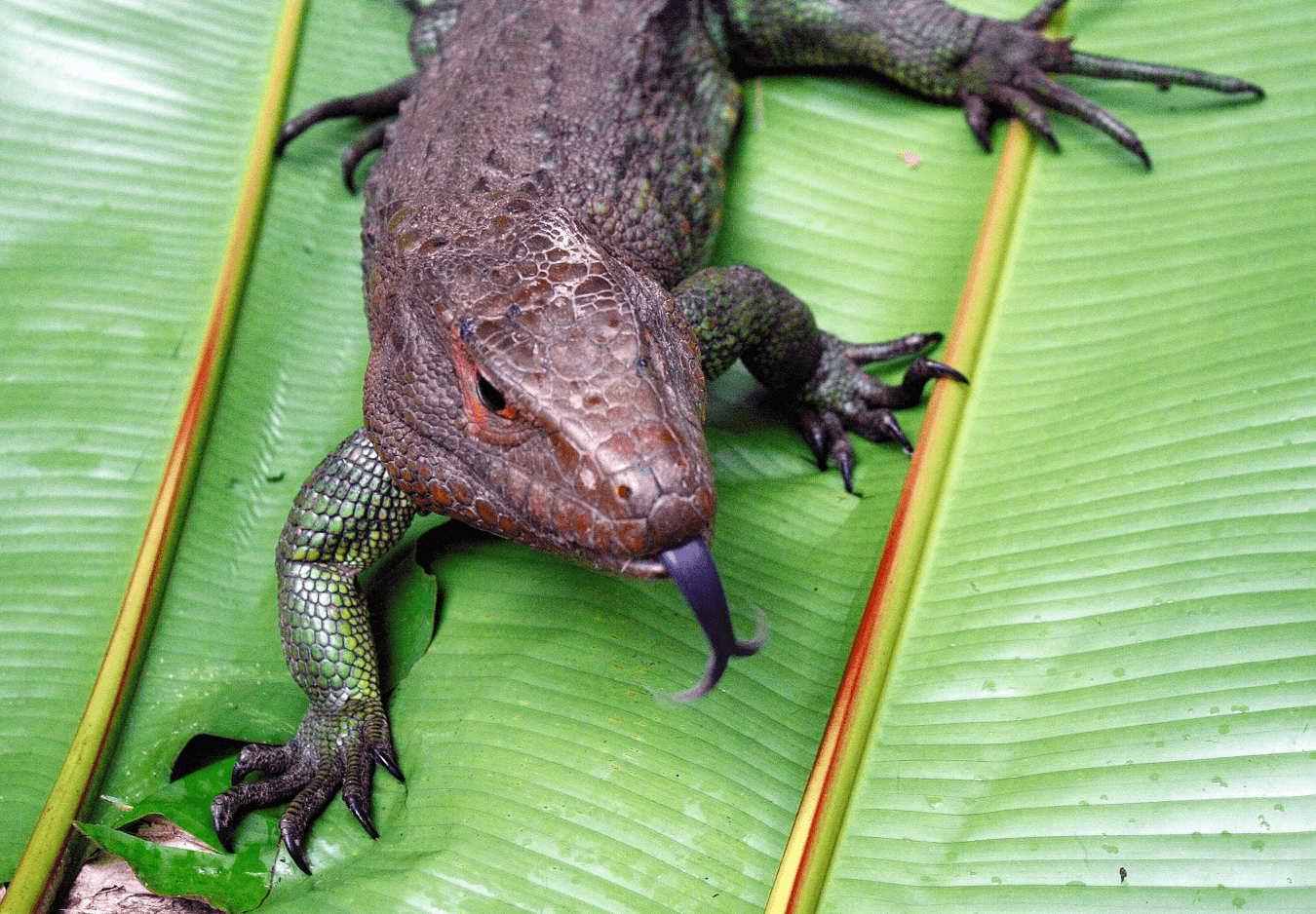
You will work with knowledgeable scientists on surveys of dolphins, macaws, caimans, shorebirds, primates, terrestrial mammals, forest birds, frogs, bats, and fish, among others. You will learn about hunting and fishing by Indigenous people, and community-based and protected area conservation.
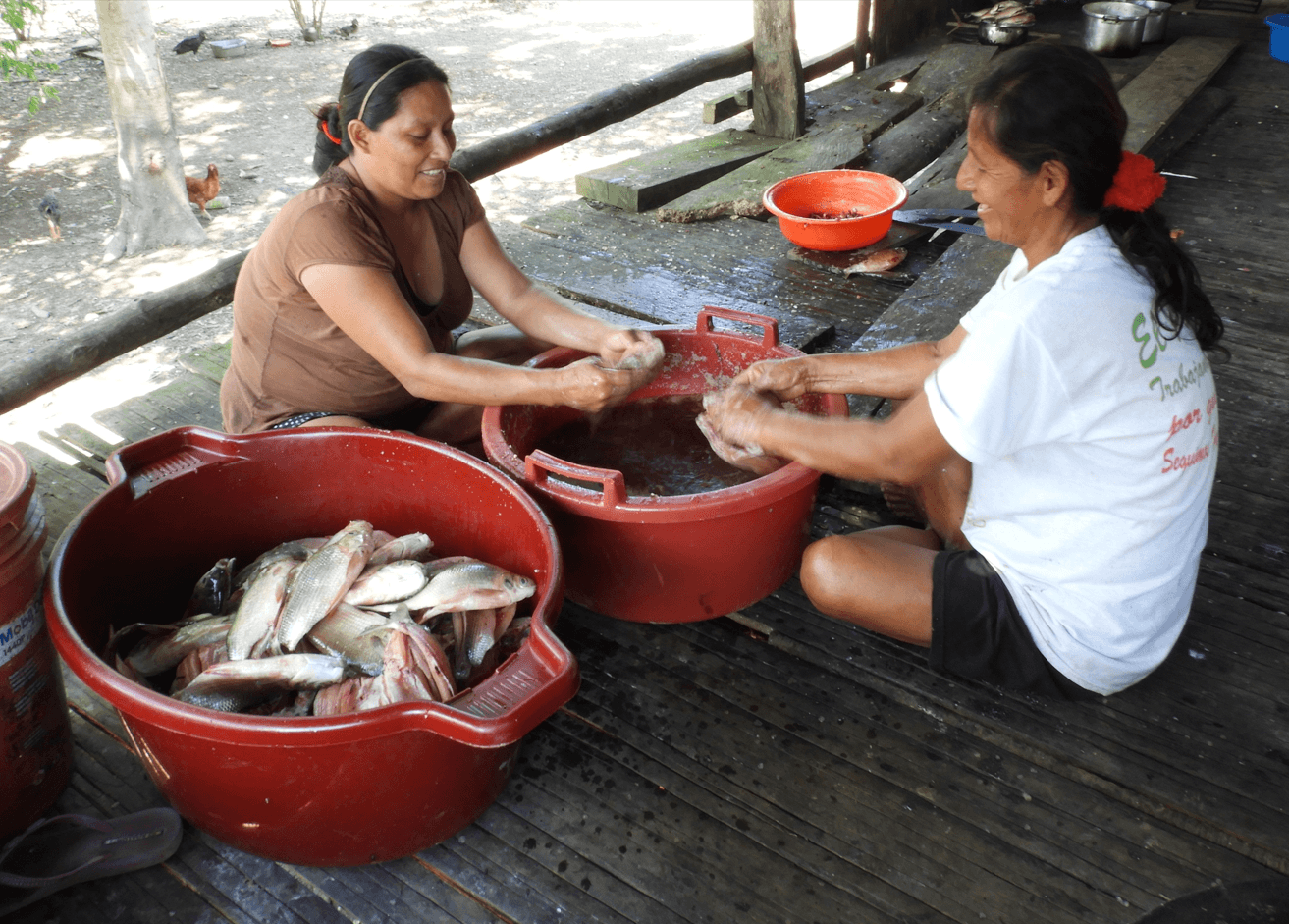
Your help collecting data and working with the research teams are vital for our long-term research to help save the Amazon. You do not need past experience, we teach you the methods and all you need to know for the surveys. Students, teachers, repeat volunteers, zookeepers, researchers, journalists, and others can apply for a Fundamazonia scholarship to help cover 50% of fees.
Link to full expedition Research Plan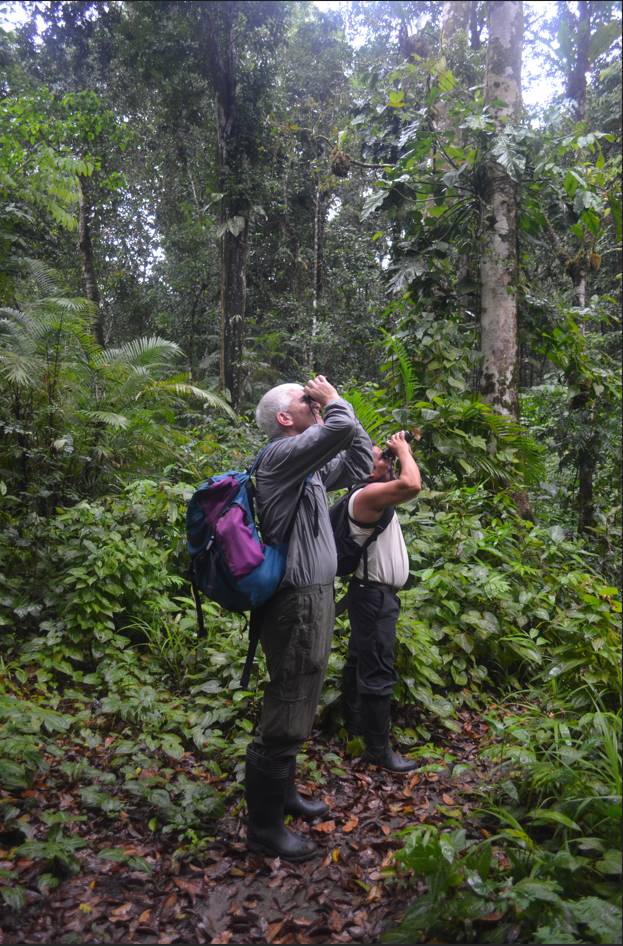
Students are invited to conduct their BSc, MSc, PhD, and Post-Doc projects at the Research Station. You can either contribute to our ongoing research or develop independent projects centered around your own interests. Furthermore, student researchers can use data from previous years for comparative and multi-year analyses—especially important for studies on climate change. Fundamazonia scholarship support is available to help off-set research station fees.
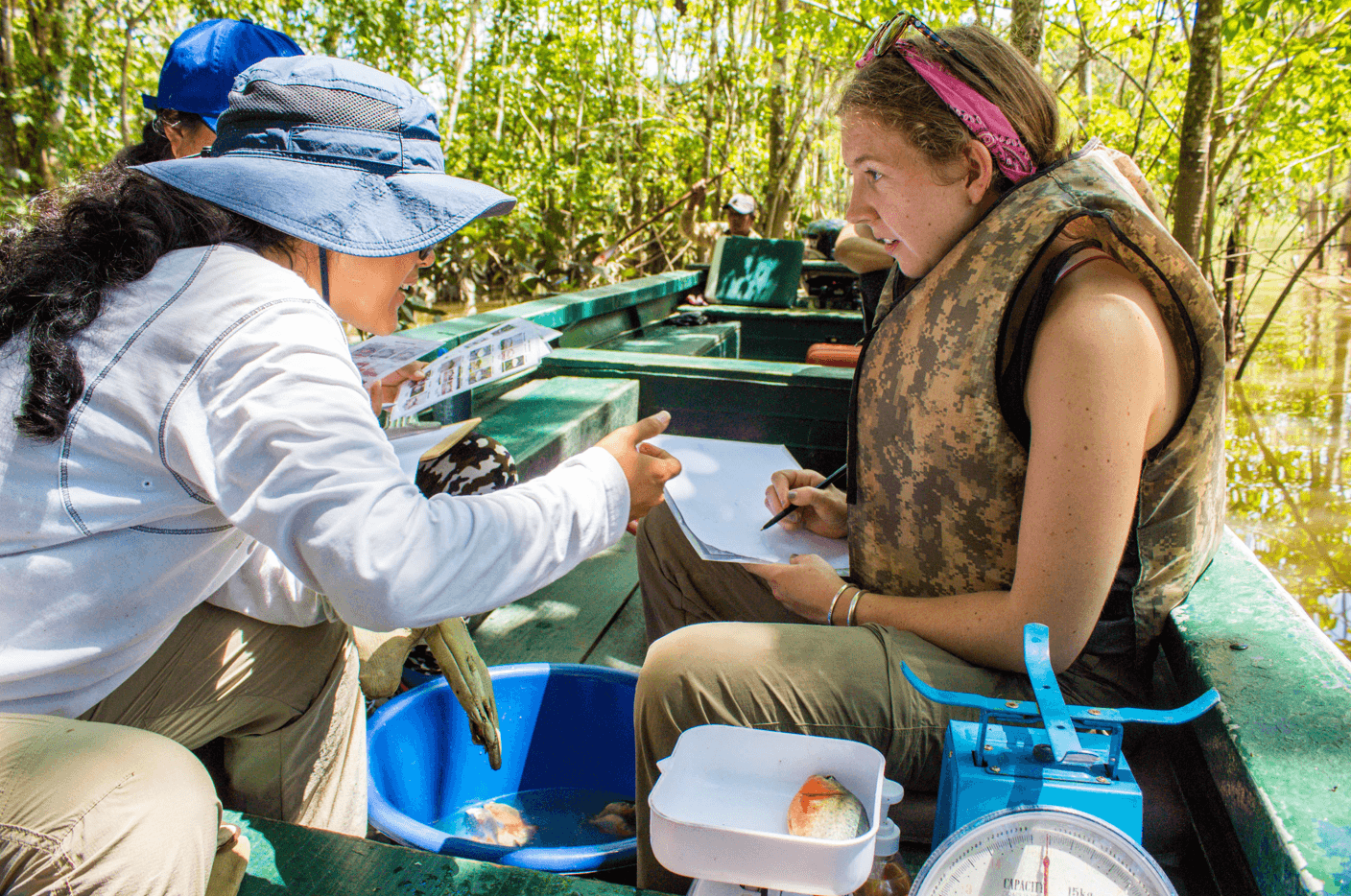
We offer field courses in Amazon Wildlife Ecology and Conservation for high school seniors, as well as college and university students. The course immerses students in all aspects of Amazon wildlife, utilizing a science-based approach to understand the main issues facing the Amazon. Through hands-on field surveys of vertebrate groups, students learn how to collect data using non-intrusive methods and how this field data is used to answer critical questions regarding species ecology, sustainable use, climate impacts, the green economy, and One Health. Students and teachers are eligible for the Fundamazonia scholarships for the field courses.
Link to Course Syallabus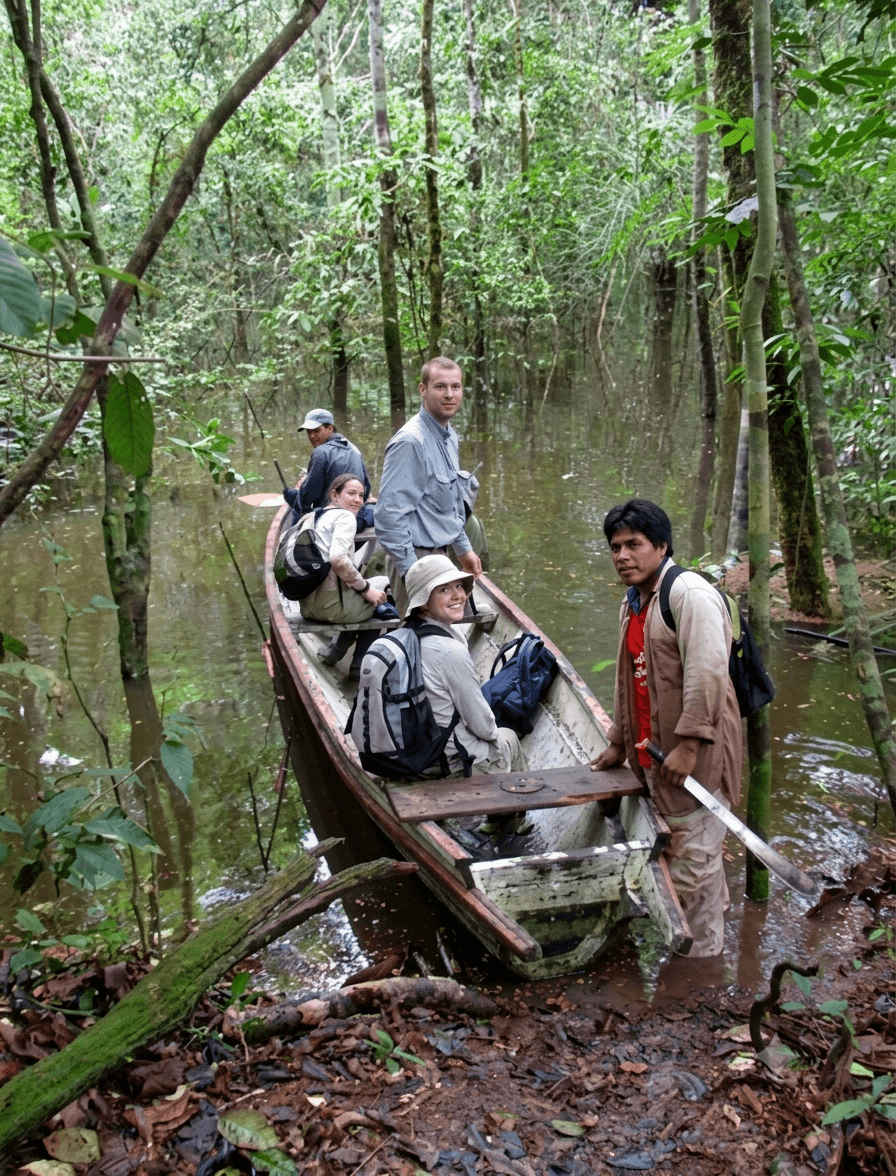
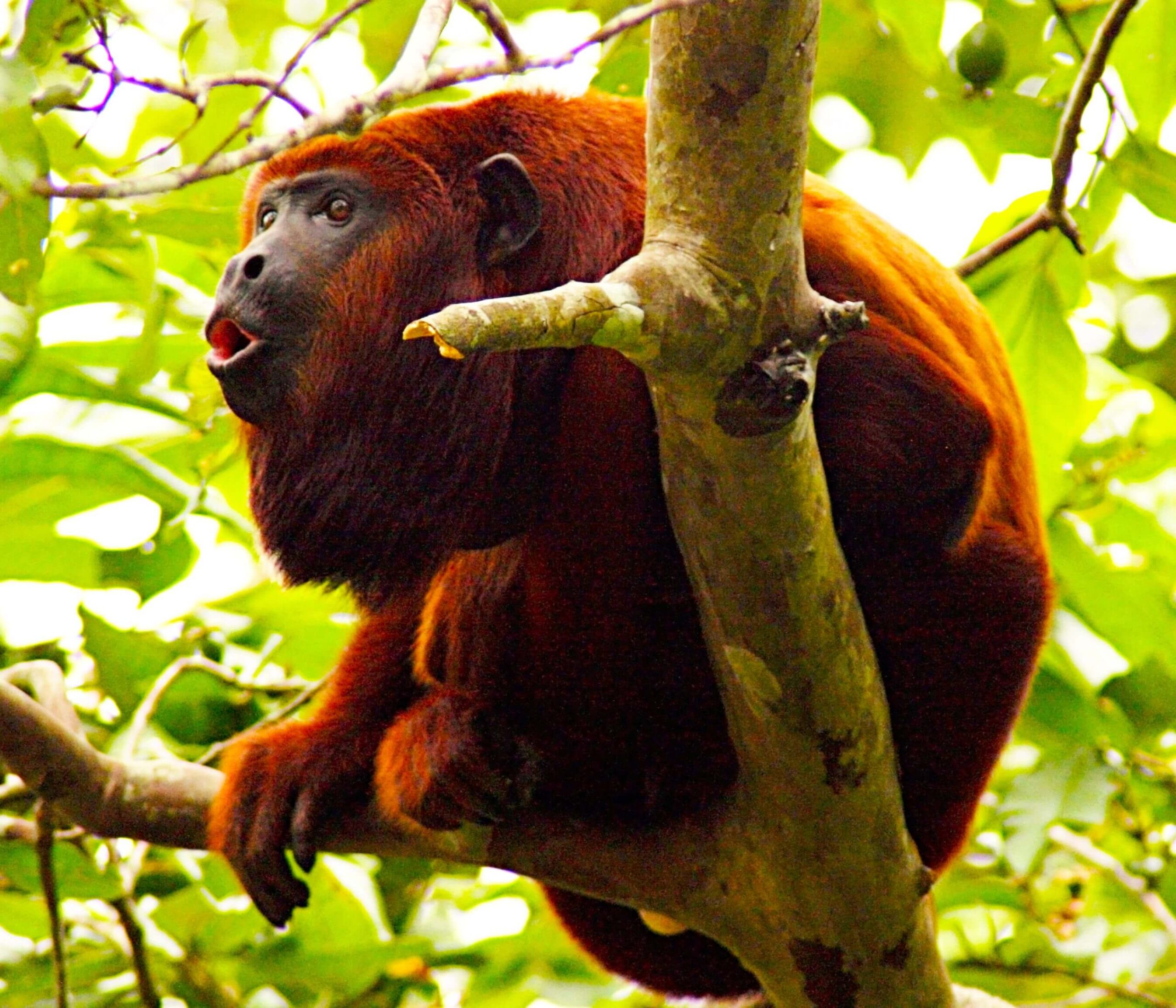
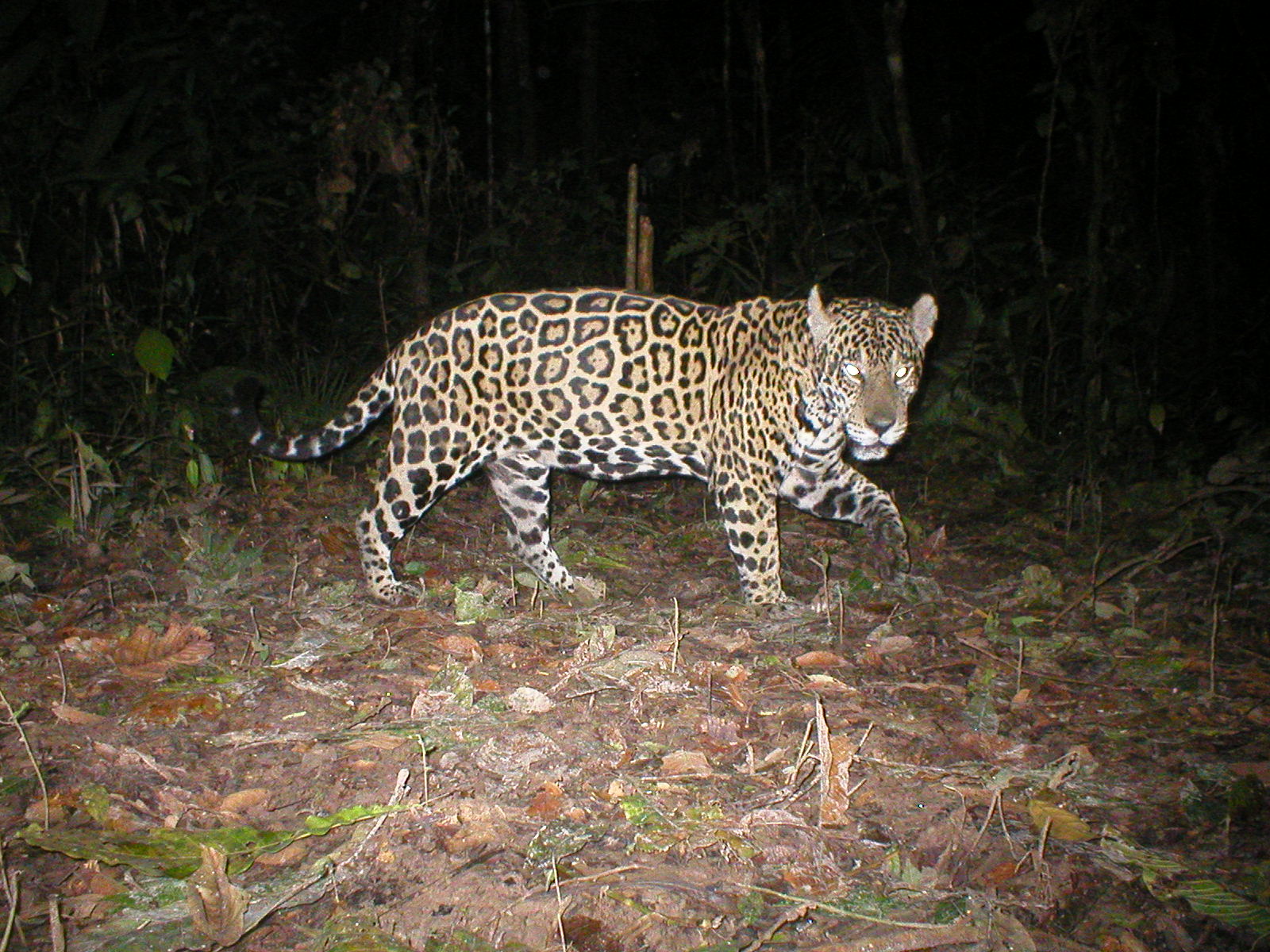
On terrestrial transect surveys we walk on trails in the rainforest and look for primates, large birds, and any other mammal that is there. The trails are about 5km round-trip and we walk slowly to find the animals. When we see an animal we record its distance from the trail, habitat, and how many there were, among other information.
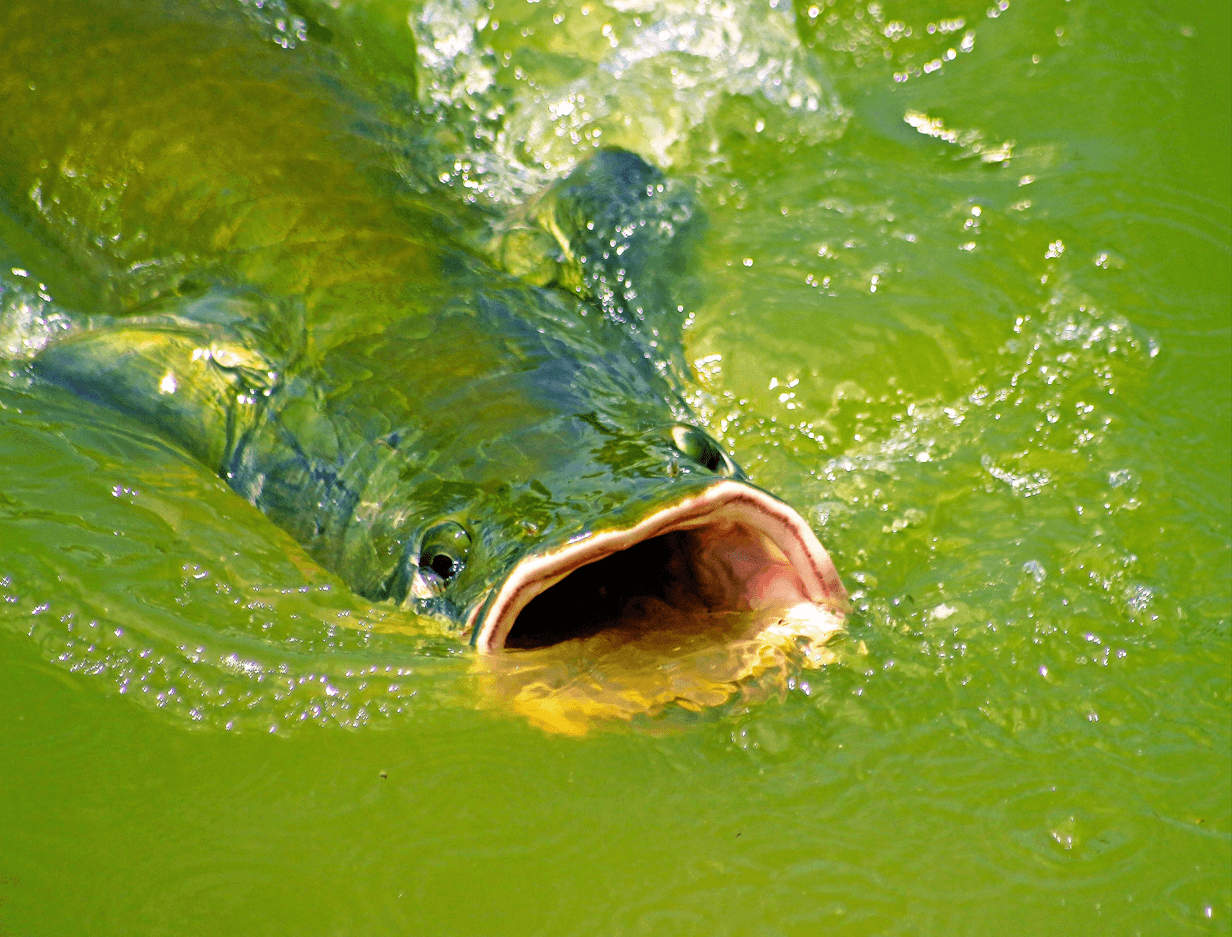
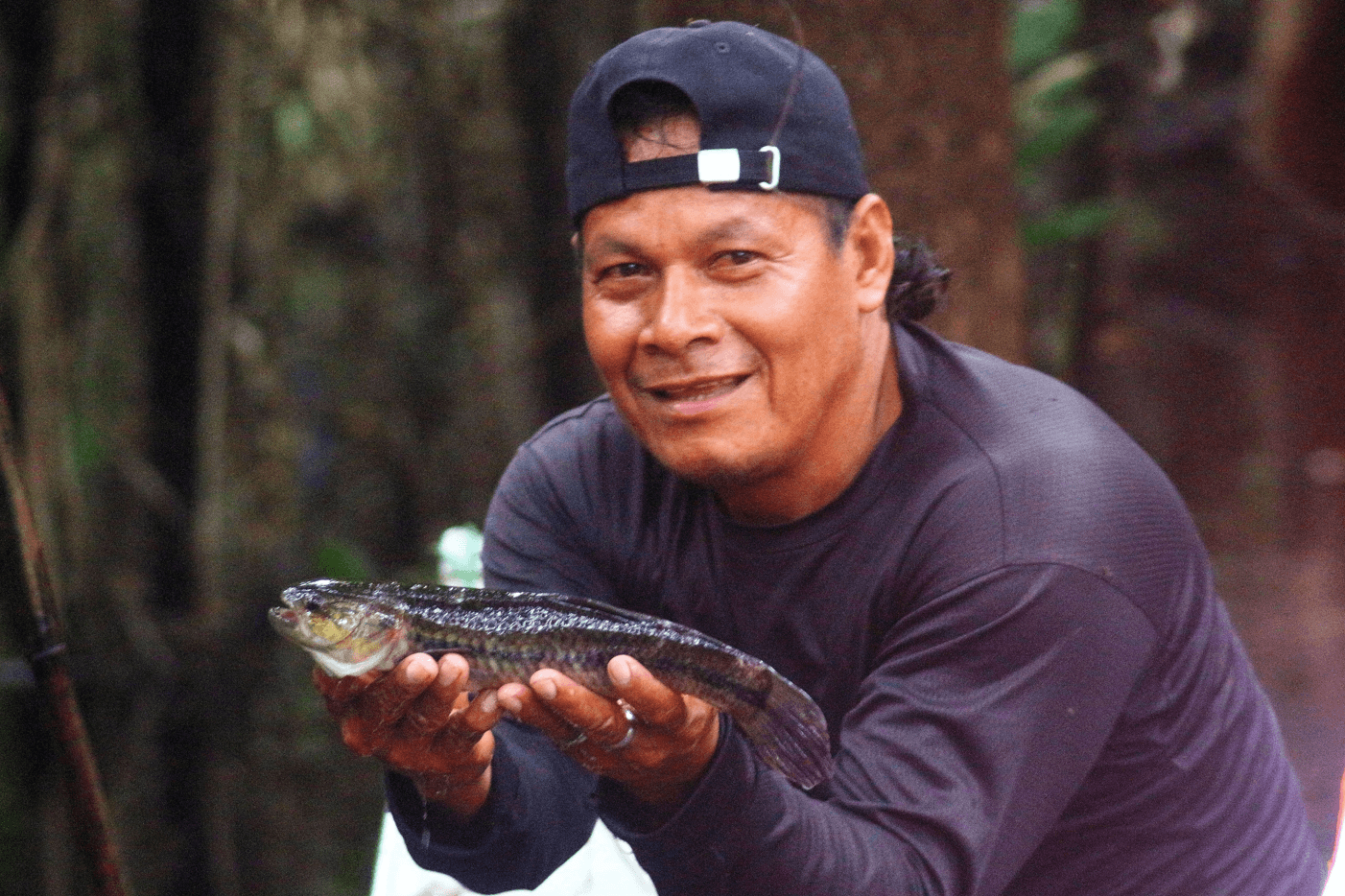
Fish are surveyed from a boat and we set a gill net for one hour along the river or in a lake and during that hour we catch fish with a pole and hook. Fish are identified, measured and released back to the river.
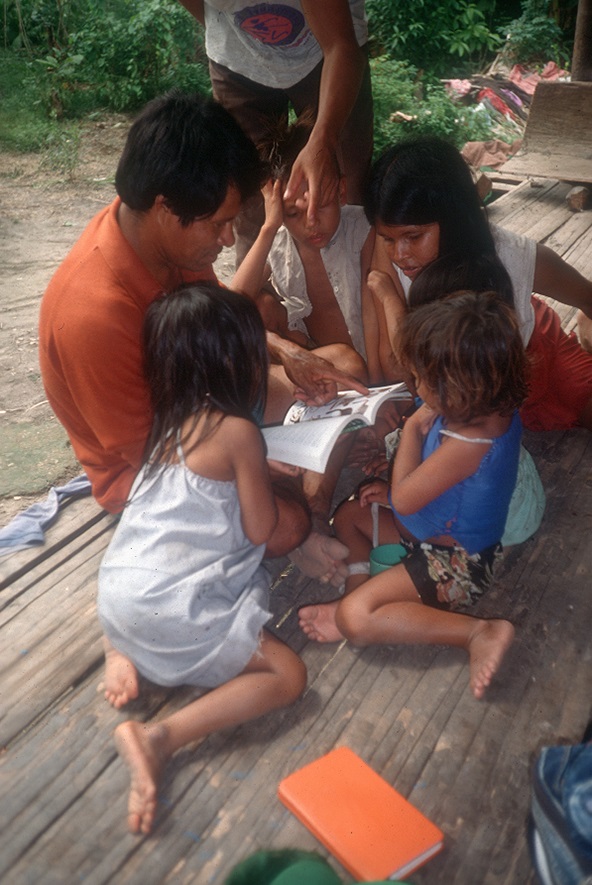
The Research Station collaborates with the local people and works with the Indigenous communities of Jaldar, Nuevo Jerusalen, Castilla, Villa Belen, and San Joaquin de Omaguas with conservation, education, and health projects. Monthly support is provided to all five communities for health, education, community projects, resource management, among others. Extra support is provided at Christmas, at the start of the school year, and for their village anniversaries.
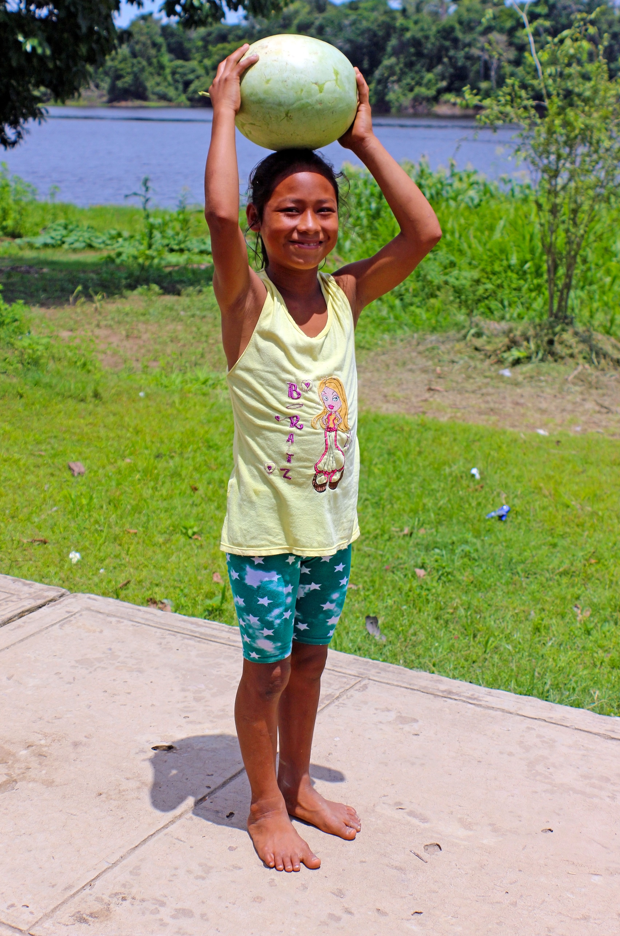
The Research Station hires local field assistants from the villages to help with the wildlife surveys. This allows volunteers to lean from the local knowledge of the Indigenous people, and it provides income for the families. The cook, assistant cook, and room service maids are all Kukama Indigenous women from the nearby town of Nauta.
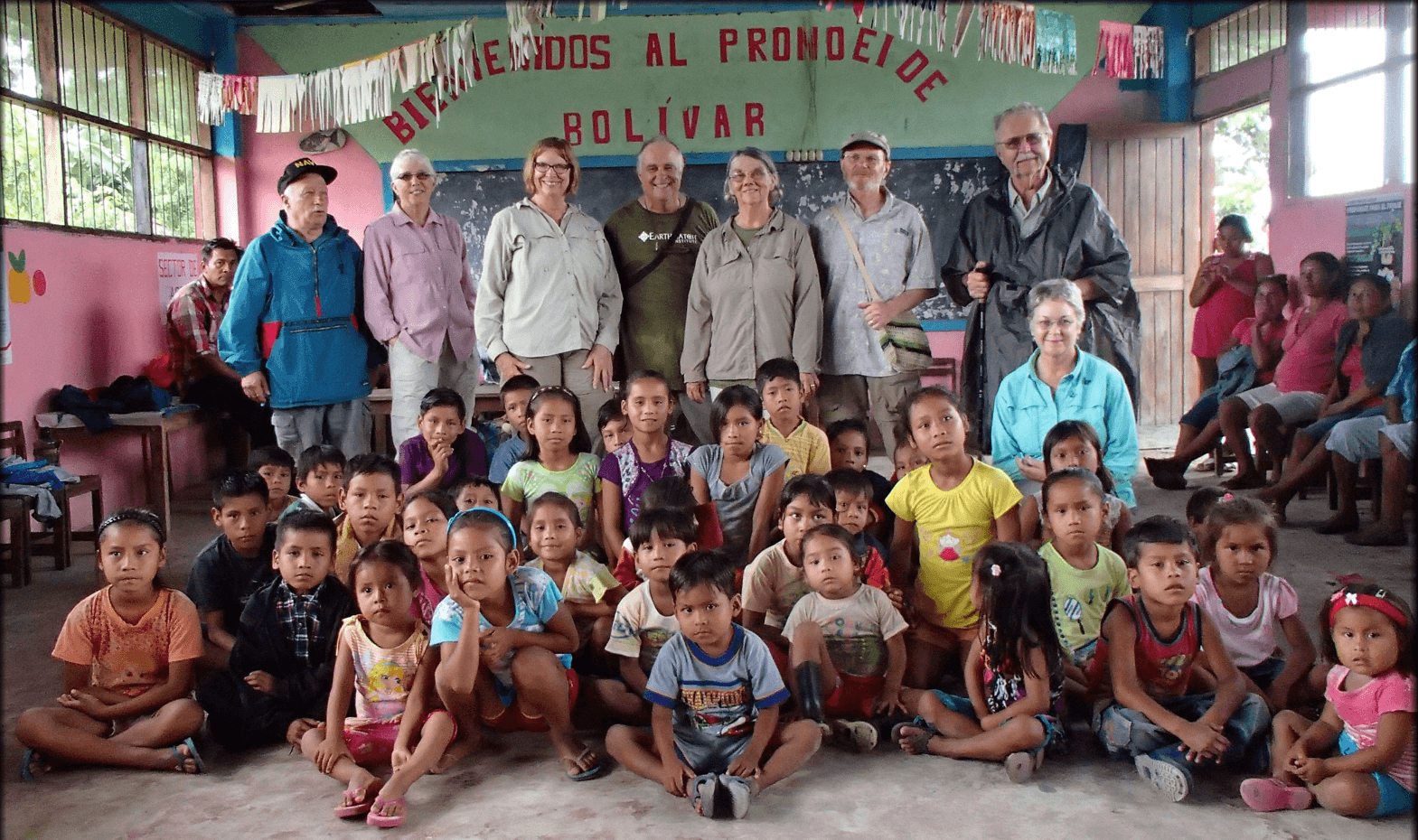
Volunteers and students visit the villages and get to know the people, play football, and sing songs and play games with the kids. Participants should bring some school supplies, or small toys and games to donate to the children.
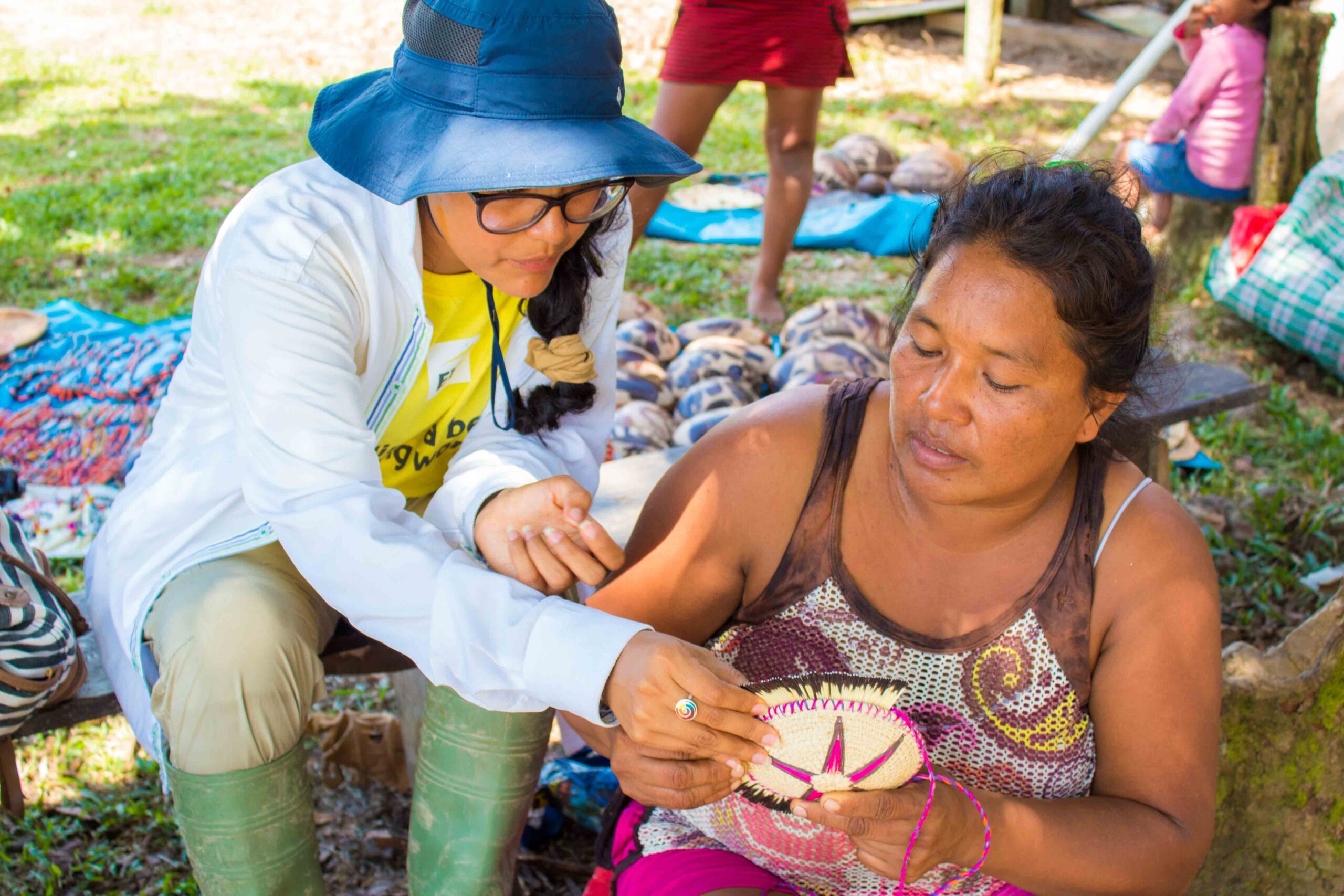
Women make traditional Indigenous handicrafts of the Kukama and Ashuar cultures. Handicrafts are made by the women, and this is an activity that dates back to pre-Colombian times and is passed down from mothers to daughters. It is also a women’s economy where they earn income independent of their partners. When you visit the villages, women will lay out their handicrafts in the traditional manner, and you can purchase some if you like.
The women believe that trees have mothers who are protected by a forest sprit. When the women harvest certain plants they ask permission from the mother of the trees, and that way they take care of the forest and don’t overharvest plants but use them sustainably.
Hunting and fishing are major activities of the men. The studies conducted at the Research Station look at the use and sustainability of hunting and fishing. Results from the research was used by the local communities to set up hunting and fishing management plans. The guidelines for hunting management plans approved by the Peruvian Forestry and Wildlife Service are based on the studies conducted at the Research Station. This is an example of how the research helps local communities, not only at research location, but throughout the Peruvian and wider Amazon.
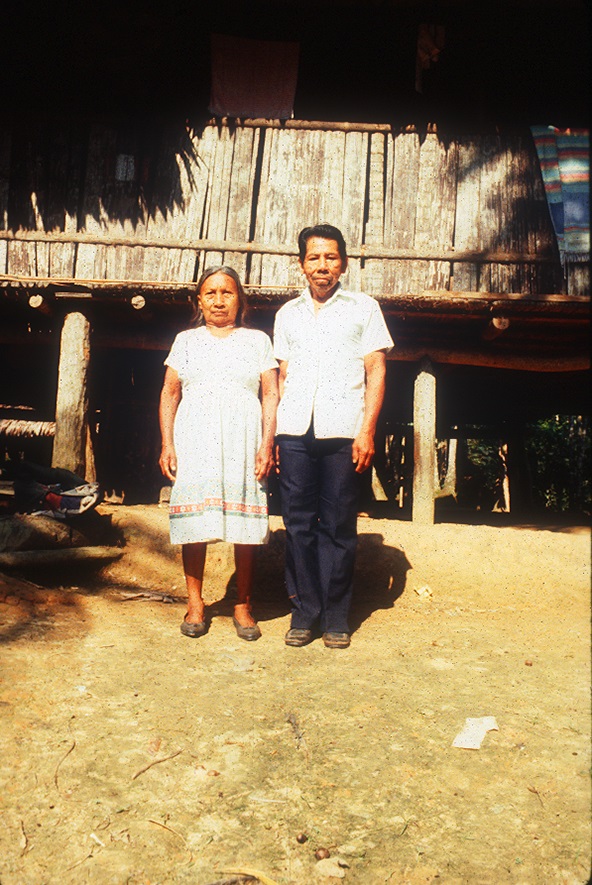
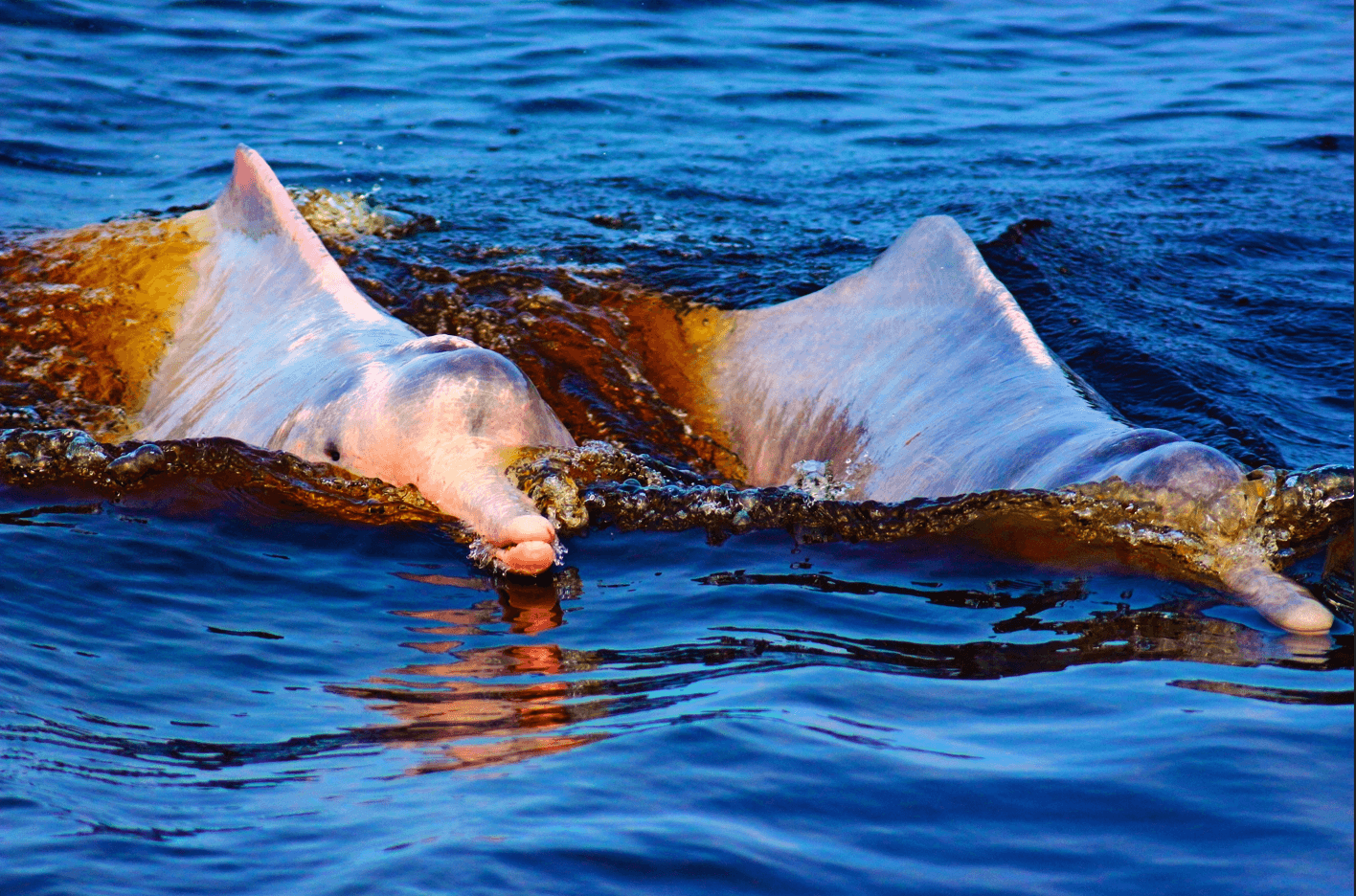
The anthropology and resource uses of the local communities have been studied and how the peoples’ beliefs, cultures, and interest in management are helping to save the forests and wildlife. For example, the pre-Colombian belief about dolphins means the Indigenous people do not kill dolphins, and they stop others who might attempt to kill a dolphin. Thus, through their culture and storytelling, mainly through the women, the communities protect the dolphins, and that’s why there are lots of pink and grey river dolphins in the region.